Holiday Home Insurance
Holiday home insurance for second properties
Contact Us
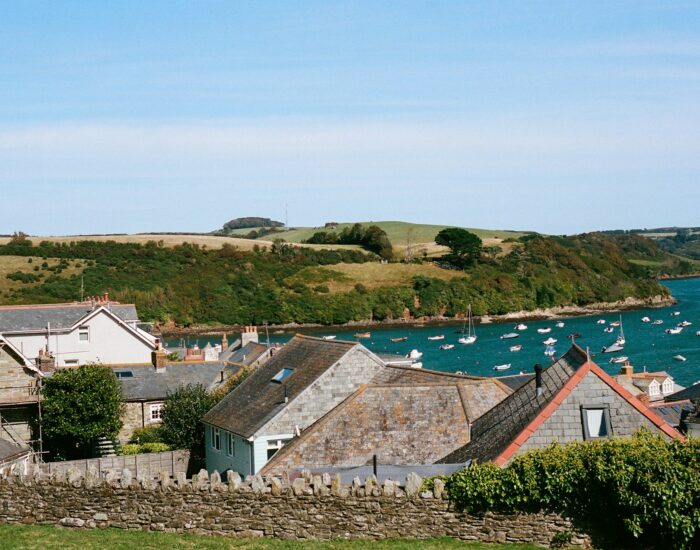
Holiday home insurance for second properties
Holiday home insurance in the UK covers second properties that aren’t lived in full-time. Your cottage sits empty from November to March. Your place near the coast gets rented to guests 30 weeks a year. Your converted barn is 200 miles from where you actually live.
Every one of those situations creates risks that a standard home insurance policy either excludes or ignores. Unoccupancy clauses. The escape of water while nobody’s there to notice. Storm damage on an exposed site. Guest liability if you let the property out. These aren’t edge cases for second home insurance. They’re the norm.
That’s where we come in. Tell us about your property and how you use it, and we’ll connect you with a specialist insurer who actually understands holiday homes. Not a generalist who’ll try to squeeze your situation into a standard policy. A specialist who builds cover around it.
What does holiday home insurance cover?
Buildings cover
This covers the structure of your property against fire, flood, storm, subsidence, and other insured perils. For holiday homes, buildings cover needs…
Contents cover
Furniture, appliances, furnishings, and equipment inside the property. If you let it to guests, the policy needs to cover contents against accidental…
Unoccupancy cover
This is the big one. Most standard policies stop covering certain risks after the property’s been unoccupied for 30 consecutive days. Holiday…
Liability cover
If a guest, visitor, or member of the public is injured at your property, liability cover pays for the claim. A guest…
Loss of rental income
If an insured event makes your property uninhabitable and you lose bookings as a result, this covers the revenue you would’ve earned….
Tell Us About Your Property
Share a few details about your holiday home, and we’ll connect you with a specialist insurer. It takes minutes, it’s free, and there’s no obligation
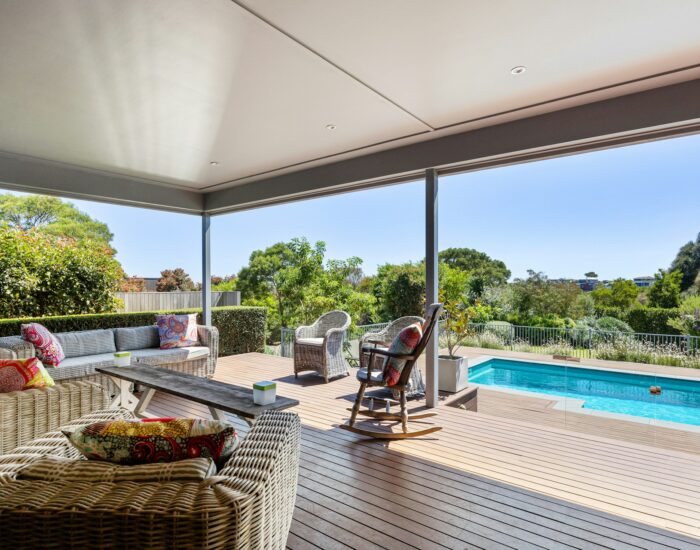
Why do holiday homes need specialist cover?
The risks are different to a main residence, and the insurance needs to reflect that.
Unoccupancy is the big one. A burst pipe in a house someone lives in gets spotted the same day. A burst pipe in an empty holiday home can run for weeks before anyone notices. The damage can be catastrophic. Standard policies exclude or cap unoccupancy claims after 30 days. But a specialist policy won’t.
Then there’s the letting situation. A lot of holiday homes are on Airbnb, Booking.com, Sykes, or Cottages.com. Each platform creates slightly different insurance requirements. Some policies cover holiday lets. Some don’t. Some cover Airbnb specifically but exclude long-term lets. The wording matters, and a specialist insurer will get it right.
And older properties add another layer. Thatched roofs, solid stone walls, no damp-proof course, original timber floors. They’re charming selling points for guests, but they create specific insurance considerations around fire risk, escape of water, and rebuild costs.
We don’t sell policies ourselves. We listen to your situation, then connect you with insurers who specialise in these exact scenarios. That means you get advice and cover from people who deal with holiday homes every day.
FAQs
No. Standard home insurance assumes someone lives in the property full-time. Most policies become void or restrict cover after 30 days of unoccupancy. Your holiday home needs a specialist policy designed for properties that sit empty for extended periods. Tell us about your property, and we’ll put you in touch with an insurer who can help.
It depends on the insurer and the policy wording. Some specialist policies cover guest stays through Airbnb and similar platforms, including accidental damage by guests and public liability. Others don’t. When you get in touch, let us know how you let your property, and we’ll connect you with an insurer whose cover fits your setup.
It can be, because the risks are higher. Unoccupied properties are more vulnerable to break-ins, undetected water damage, and weather damage. But the cost varies hugely depending on the property, its location, how it’s used, and the cover levels you need. We’ll connect you with a specialist insurer who can give you an accurate picture based on your actual situation.
You’ll need to declare this when you take out the policy. Coastal and flood-risk properties are more expensive to insure, but they’re absolutely insurable. We work with specialist insurers who cover higher-risk locations, so tell us about your property, and we’ll find the right fit.
Many policies require regular inspections, typically monthly, to check for issues like leaks or storm damage. If you live far away, that can be tricky. When you speak to the insurer we connect you with, ask about their inspection requirements. Some are more flexible than others, and a local property management service can also carry out the checks for you.